

At Anime Expo 2025, I had the chance to chat with Hideaki Ito, the director behind the upcoming school life simulation game Varlet. We talked about everything from the creative process and the challenges of game development to the inspirations that fuel his work.
Varlet combines a "school life RPG" with supernatural mystery and a unique "Triad Stats System." How did you balance these diverse elements to create a cohesive experience?
The triad system is essentially a personality system within the game. You might wonder how it influences gameplay, and it actually has a significant impact on passive skills during battles. This is an important aspect to consider when balancing the game. With numerous characters, we put a lot of effort into ensuring that the battle systems are well-balanced through trial and error. Our goal was to make sure each character shines in their own way while maintaining overall balance
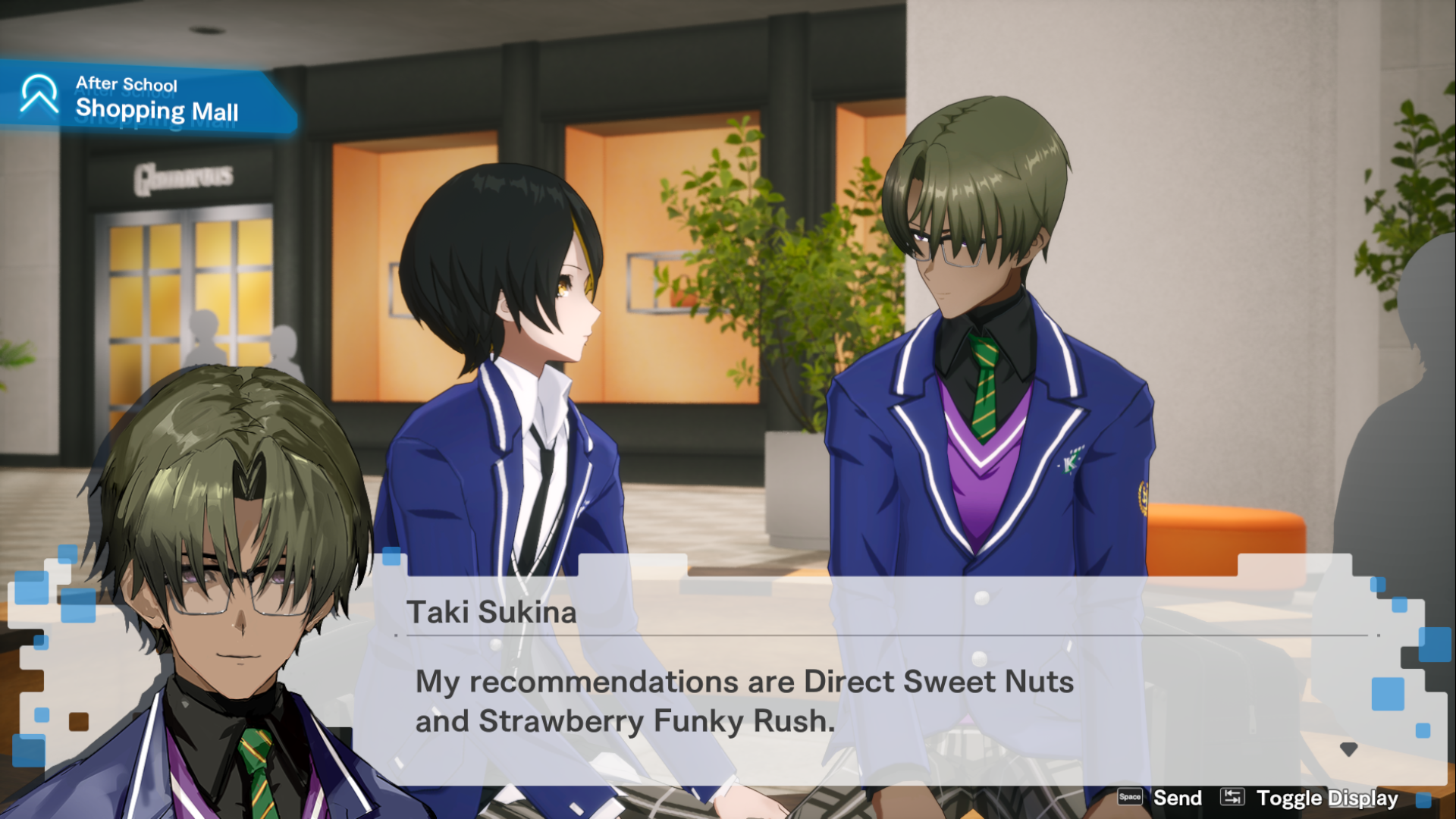
The concept of "Glitches" and monsters replacing students in the real world is quite intriguing. What was the inspiration behind this mechanic, and how does it tie into the game's core themes of self-discovery and social pressures?
One of the key aspects I focused on while developing the storyline was the concept of real-world social networks. Many users on these platforms seek attention and validation, often losing sight of their true selves in the process. This idea inspired the theme of self-discovery within the game. I believe that people who overuse social media can lose their sense of identity, and through this game, I hope they can rediscover themselves.
How do you envision players interacting with and interpreting the "Johari" virtual network, both as a helpful tool and as a potential source of danger?
From the player's perspective, the Johari system is essentially the UI system within the game, making it easier to navigate. However, as you progress through the story, you'll find that this same system, which aids in navigation, also causes issues within the game's world. This dual nature of the system—being both helpful and potentially dangerous—is a central theme around which the story revolves.
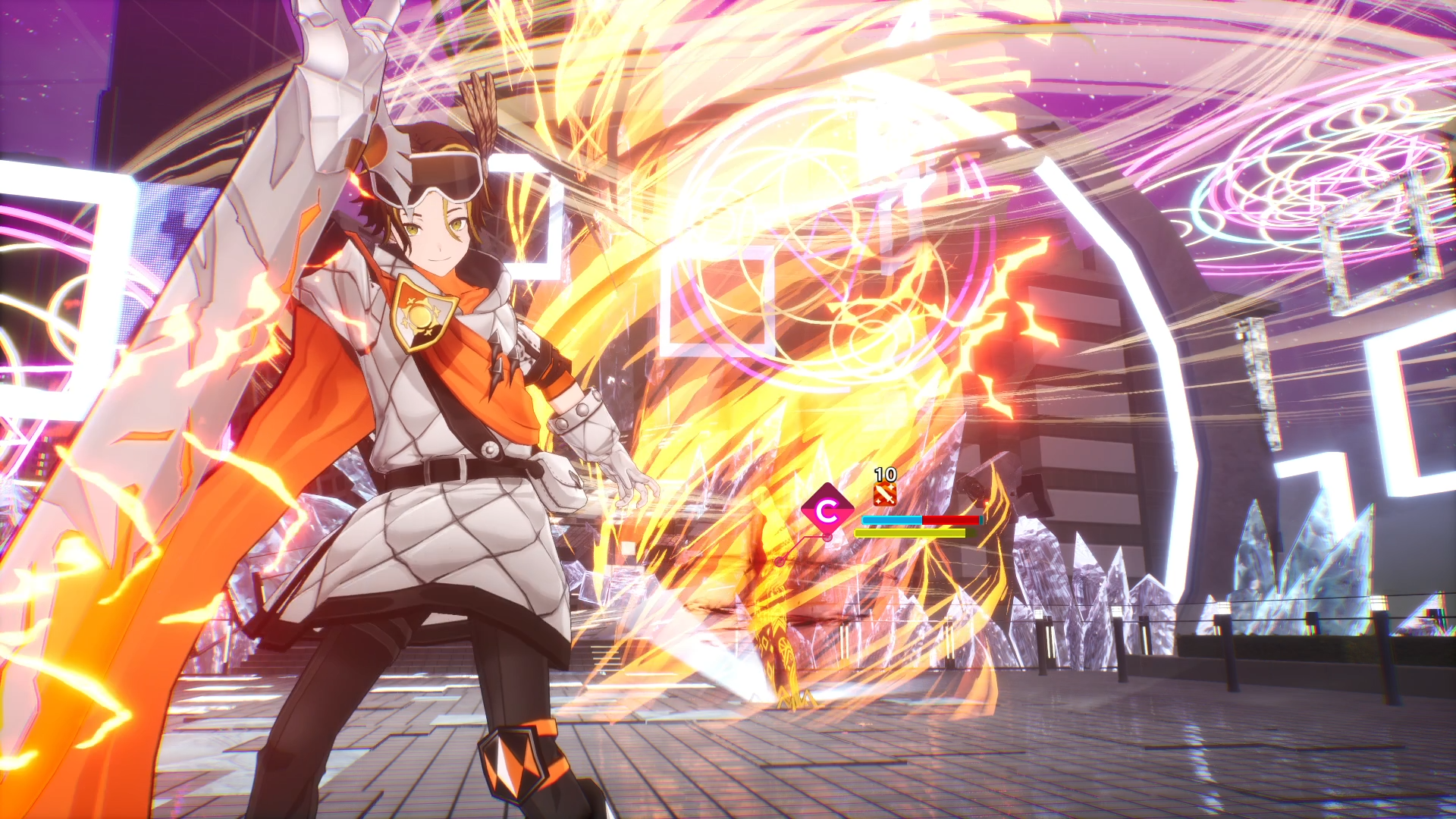
What was the most challenging aspect of bringing the concept of Varlet to life, and how did your team overcome it?
As a producer of the game, one of the challenges I faced was coordinating with the development team while also involving various creative talents such as composers, music and character designers, and background designers. We were able to incorporate all the people we wanted, but these individuals tend to be very unique and work closely with the development team. Ensuring that all the pieces fell into place was the most difficult part.
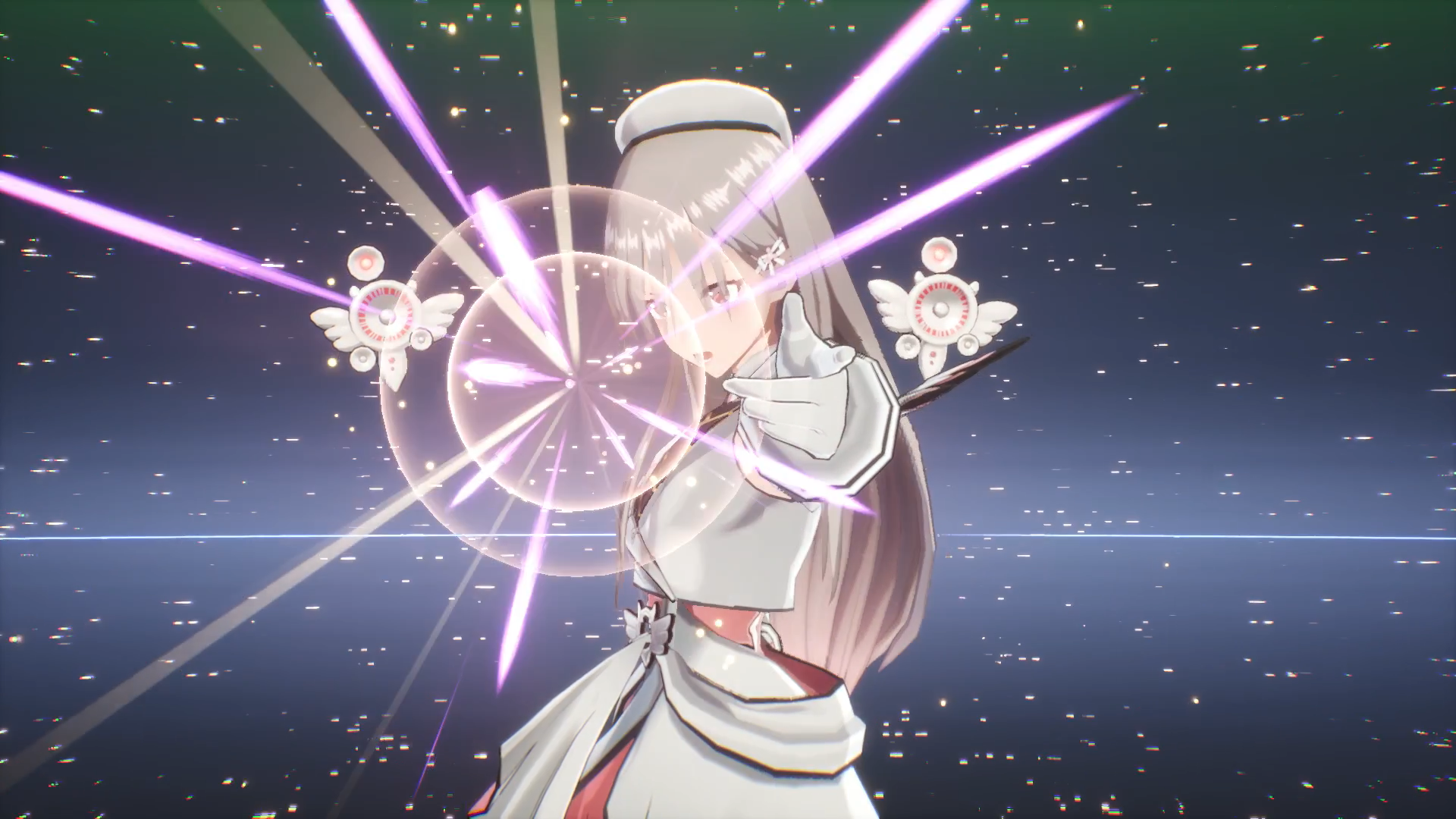
How much replayability do you anticipate the Triad Stats System will offer? Are there truly distinct playthroughs based on aligning with one Triad over another?
You can't delve deeply into the overall story changes based on the decisions you make. However, as you might already know, there are light and dark sides that you can choose from. Changing your alignment between these sides will result in a significantly different gameplay experience.
Varlet is releasing on PC, PS5, and Switch. What were the challenges and considerations for developing the game simultaneously across these different platforms?
Maintaining the graphic fidelity for the Nintendo Switch version was particularly challenging. Deciding what to keep and what to adjust was a very difficult task. If the game does well overseas, I hope to bring it to the Nintendo Switch 2.
Do you have a message for our fans and readers?
I really hope that people, especially young individuals, are able to discover themselves by playing Varlet. Through the gameplay and its processes, players may find a path to self-discovery.
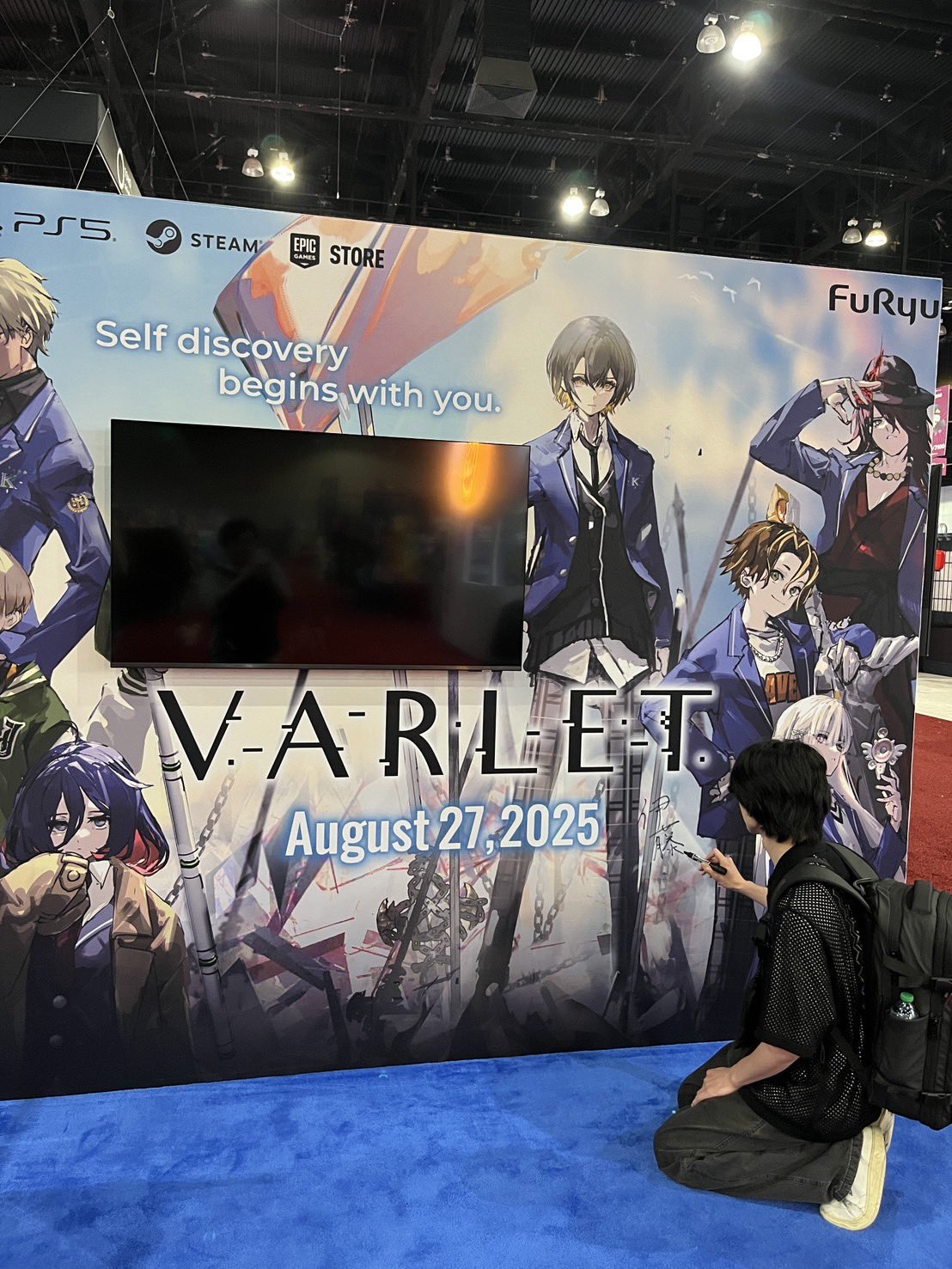
Follow Hideaki Ito: